
Best Free-to-Play Games You Need to Try Right Now
The free-to-play landscape has changed dramatically. What once felt like a dumping ground for low-effort cash grabs now includes some of the most-played, most-updated games on the planet. The catch? You still have to sort the genuinely great experiences from the ones designed to drain your wallet. This guide does that sorting for you.
What Makes a Free-to-Play Game Actually Worth Playing
A free-to-play game is worth your time when it delivers a complete, enjoyable experience without requiring real-money purchases to stay competitive. The benchmark is simple: can a player who spends nothing still win matches, progress meaningfully, and enjoy the full core loop?
The best F2P games share a few traits. They offer cosmetic-only monetization — skins, emotes, and visual upgrades that don't affect gameplay balance. They receive consistent seasonal content and updates, signaling that the developer is invested in the long-term health of the game. And they maintain a large, active player base, which means shorter queue times and a healthier competitive environment.
One useful filter: check whether the game is available on Steam, the Epic Games Store, or a major console storefront. Games hosted on established platforms face more scrutiny and tend to have more transparent monetization than obscure browser titles or unverified mobile downloads.
Best Free-to-Play Shooters and Battle Royale Games
Shooters and battle royale titles dominate the F2P space, and several of them are genuinely excellent. Here are the standouts worth your time.
Warframe
Warframe is one of the most generous F2P games ever made. It's a cooperative third-person shooter with deep RPG systems, and virtually every item in the game can be earned through play. The trading system lets players exchange crafting materials with each other, meaning even premium currency is obtainable without spending. The trade-off is a steep learning curve — the game barely explains itself — but the community and wiki resources fill that gap.
Apex Legends
Apex Legends remains one of the tightest battle royale experiences available. Its movement system, ability-based legends, and ping communication tool set it apart from competitors. Monetization is cosmetic-only, and cross-platform play means you're never short of opponents. The seasonal content cadence is reliable, with new legends and map changes arriving regularly.
Valorant
For tactical FPS players, Valorant delivers a polished competitive experience on PC. All agents are unlockable through play, and the ranked mode is well-structured. Cosmetics are expensive, but nothing you buy improves your aim or win rate.
Best Free-to-Play RPGs and MMOs
Deep progression and world-building are no longer locked behind box prices. Several free-to-play RPGs and MMOs offer hundreds of hours of content without requiring a subscription or upfront purchase.
Path of Exile
Path of Exile is the gold standard for free action RPGs. Its passive skill tree has over a thousand nodes, and the seasonal league system constantly introduces fresh mechanics. Monetization covers stash tabs and cosmetics — the stash tabs are genuinely useful, and some players do buy them, but you can complete the full campaign and endgame without spending anything. Developer Grinding Gear Games has maintained a strong reputation for fair monetization since the game launched.
Genshin Impact
Genshin Impact offers a visually stunning open world with a gacha-based character system. The core exploration and story content is completely free. The gacha mechanics for pulling new characters are where the monetization lives, and the rates are low enough that free players often wait weeks between major pulls. It rewards patience over spending.
Lost Ark
Lost Ark is a Korean MMOARPG with a massive amount of content available at no cost. The endgame does introduce some pay-for-convenience mechanics around progression speed, so it sits closer to the pay-to-progress end of the spectrum than Warframe or Path of Exile. Worth knowing before you invest significant time.
Best Free-to-Play Strategy and Card Games
Strategy and card games have produced some of the most sustainable F2P models in gaming, largely because digital card collections scale well with optional purchases.
Hearthstone
Hearthstone is Blizzard's digital card game, and while its monetization has grown more aggressive over the years, free players can still build competitive decks by focusing on a single game mode and earning gold through daily quests. The key is specialization — trying to keep up across all formats without spending is where free players struggle.
Marvel Snap
Marvel Snap took a different approach: every card is available to free players through a progression system, and matches are fast (under five minutes). The monetization focuses on cosmetic variants of cards rather than new cards themselves, which keeps the playing field reasonably level. It's one of the most genuinely fair card games in the F2P space right now.
Dota 2
Dota 2 is the definitive free MOBA. Every hero is unlocked from the start — no grinding required. The entire game is free; only cosmetics cost money. The learning curve is one of the steepest in gaming, but for players willing to invest the time, it offers more strategic depth than almost any other free title.
Best Free-to-Play Games on Mobile
Mobile F2P games are worth playing when they're designed as games first, not as engagement funnels. The best ones offer genuine gameplay loops that don't gate progress behind timers or aggressive ad interruptions.
Clash Royale has maintained an active player base for years with its real-time card battles. The competitive scene is real, and skilled play matters more than card levels at most ranks. Pokémon GO remains one of the most unique mobile experiences available — location-based gameplay that's genuinely different from anything on PC or console, with a monetization model that's easy to ignore if you're not chasing rare spawns.
For RPG fans on mobile, Raid: Shadow Legends is heavily advertised but genuinely deep in its guild mechanics and PvE content — just be aware that progression slows significantly at higher levels without spending. A more honest mobile RPG pick is Arknights, a tower defense game with gacha mechanics that's notably generous with free pulls and whose core strategy gameplay doesn't require premium units to clear most content.
What to Watch Out For: Spotting Pay-to-Win Traps
A pay-to-win game gives paying players a direct competitive advantage — better stats, exclusive abilities, or faster progression that free players cannot replicate through skill alone. Here's how to spot the warning signs before you invest time.
- Energy or stamina systems that limit how long you can play per day unless you pay to refill them — common in mobile games, rare in good ones.
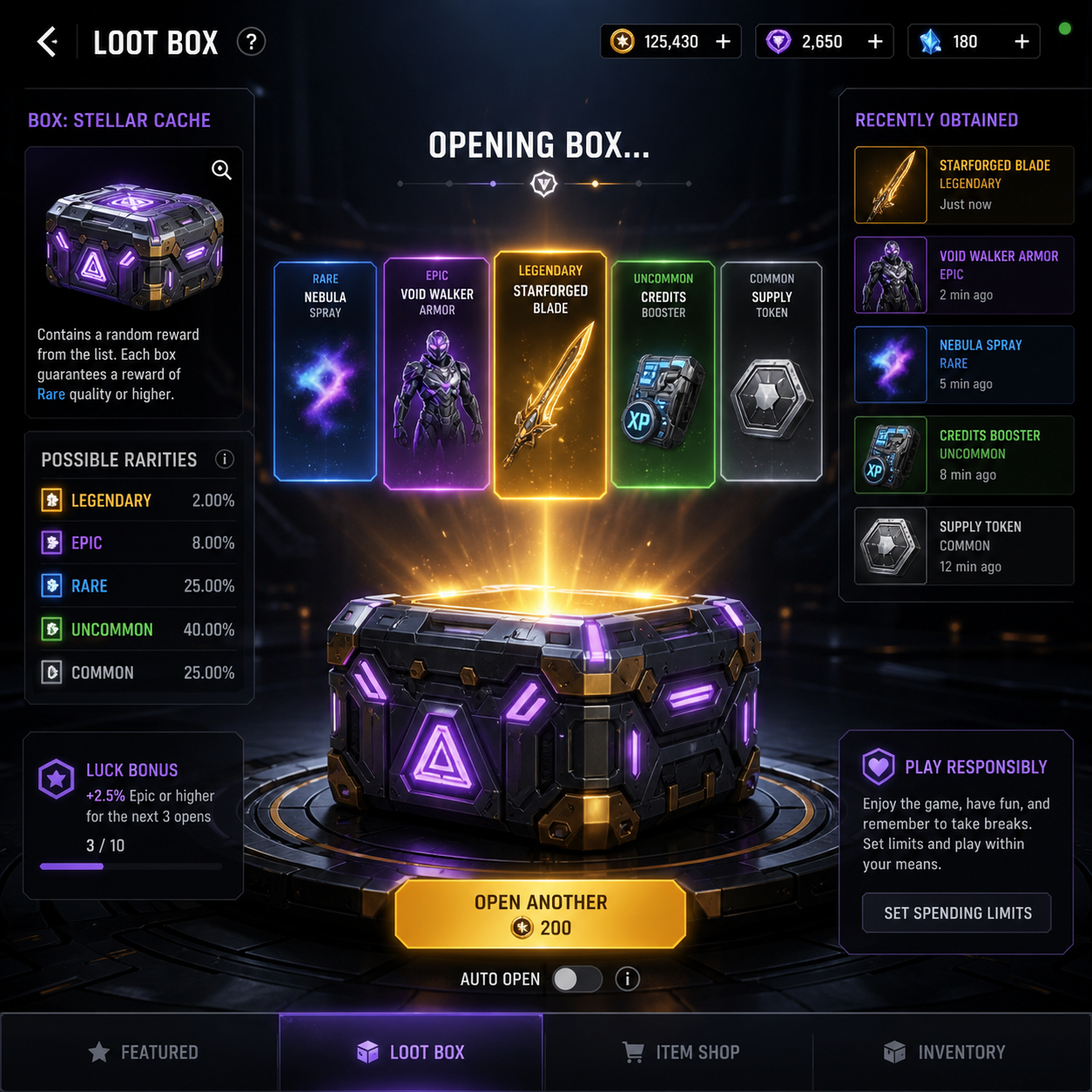
- Loot boxes containing gameplay items (weapons, units, stat boosts) rather than purely cosmetic content.
- Gear or level gaps between paying and non-paying players that make PvP unbalanced by design.
- Battle passes that lock gameplay content — new maps, game modes, or characters — rather than just cosmetics.
A quick check: look up the game on a community site like Reddit and search for "pay to win" or "monetization." The player community will tell you faster than any review site whether spending money buys an actual advantage.
How to Get the Most Out of Free-to-Play Games
Getting value from F2P games comes down to managing your time and attention as carefully as you'd manage a budget. A few practical habits make a real difference.
First, pick one game per genre and go deep rather than spreading across five titles simultaneously. Live service games reward consistent play with daily login bonuses, quest completions, and seasonal currency — all of which compound over time. Spreading thin means missing those accumulating rewards in every game.
Second, understand how each game's in-game currency works before spending any real money. Most F2P games have multiple currencies: one earned through play, one purchased with real money, and sometimes a third converted between them. Knowing the conversion rates and what each currency is used for prevents accidental overspending on low-value items.
Third, treat seasonal battle passes with a cost-benefit lens. A $10 pass that returns enough premium currency to buy the next pass is essentially free after the first purchase. A pass that doesn't return currency is a recurring cost — fine if you love the game, but worth acknowledging honestly.
Finally, set a monthly cap before you spend anything. Many players who never intended to spend money find themselves making small purchases that add up. Deciding in advance — "I'll spend $0" or "I'll spend $5 per month" — keeps that from happening by accident.
Frequently Asked Questions
Are free-to-play games really free, or do you need to spend money to compete?
Most well-designed F2P games are genuinely playable without spending money. Games like Dota 2, Warframe, and Apex Legends give free players access to all competitive content. Spending money in these titles buys cosmetics, not advantages. Some games — particularly in the mobile space — do gate progress behind purchases, which is why checking the monetization model before committing time is worth doing.
Which free-to-play games have the largest active player communities?
As of 2026, Fortnite, Apex Legends, Valorant, Dota 2, and Path of Exile consistently rank among the most-played F2P titles on PC. On mobile, Pokémon GO and Clash Royale maintain large global communities. Player counts shift with seasonal updates, so checking Steam Charts or official developer posts gives the most current picture.
Can you play free-to-play games on console without a subscription?
Yes — on PlayStation and Xbox, free-to-play games do not require PlayStation Plus or Xbox Game Pass Ultimate to play online. This is an official platform policy specifically for F2P titles. Games like Fortnite, Apex Legends, and Warframe can be downloaded and played online on console at no cost.
What is the difference between cosmetic-only and pay-to-win monetization?
Cosmetic-only monetization sells items that change how your character or game looks — skins, emotes, weapon finishes — without affecting gameplay performance. Pay-to-win monetization sells items that provide a direct competitive advantage, such as stronger weapons, higher stats, or faster progression. The former is broadly accepted by the gaming community; the latter is widely criticized for making skill secondary to spending.
Are there free-to-play games with no ads or microtransactions at all?
Truly free games with no monetization at all are rare but exist, usually as older titles kept alive by their communities or games funded through other means. Dota 2 and Team Fortress 2 can be played indefinitely without any purchases or ad interruptions. Some indie developers also release games as permanently free on platforms like itch.io, though these typically have smaller communities and less ongoing support.