The Evolution of Esports: How Competitive Gaming Went From Niche Hobby to Global Mainstream
Somewhere between a teenager winning a Space Invaders high-score contest in 1980 and 20,000 fans packing a stadium to watch a League of Legends final, something remarkable happened. Competitive gaming stopped being a pastime and became an industry. Understanding that transformation means tracing a story that spans five decades, multiple technological revolutions, and a fundamental shift in how the world defines entertainment.
The Early Days — Competitive Gaming Before "Esports" Was a Word
Organized competitive gaming began long before anyone called it esports. The first documented video game competition took place at Stanford University in 1972, where students competed in Spacewar! for a year's subscription to Rolling Stone magazine. Modest by any standard, but the seed was planted.
Through the 1980s, arcade culture turned gaming into a spectator activity. Atari's 1980 Space Invaders Championship drew over 10,000 participants across the United States — a staggering number for the era. Players chased high scores publicly, in venues, with audiences watching. The competitive instinct was always there.
The 1990s brought a sharper edge. Fighting games like Street Fighter II and Mortal Kombat created natural head-to-head formats. Real-time strategy titles like StarCraft developed cult followings, particularly in South Korea, where PC bangs (internet cafes) became social institutions. By the late 1990s, South Korea had already begun broadcasting StarCraft matches on cable television — a full decade before Western markets caught on. That regional lead would shape esports' early identity in ways still visible today.
The Internet Era and the Rise of Online Tournaments
Broadband internet didn't just speed up downloads — it created the infrastructure for competitive gaming to scale. When reliable high-speed connections became accessible to middle-class households in the early 2000s, LAN parties evolved into online leagues, and local competitions gained global reach almost overnight.
Organizations like the Cyberathlete Professional League and the Electronic Sports World Cup emerged to formalize competition. Games like Counter-Strike, Quake, and later Warcraft III built dedicated competitive communities. Players weren't just playing for fun anymore — they were grinding for rankings, reputation, and small prize pools that validated their skill.
This era also established the template for esports organizations: structured teams with rosters, coaches, and organizational identities. Teams like SK Gaming and Fnatic, both founded in the mid-2000s, are still active today. They built something that would prove durable — a brand identity tied to competitive excellence rather than a single game title.
The limitation was visibility. Without a reliable way to watch matches live, competitive gaming remained something you participated in rather than spectated. That was about to change.

Streaming Changes Everything — The Twitch Effect
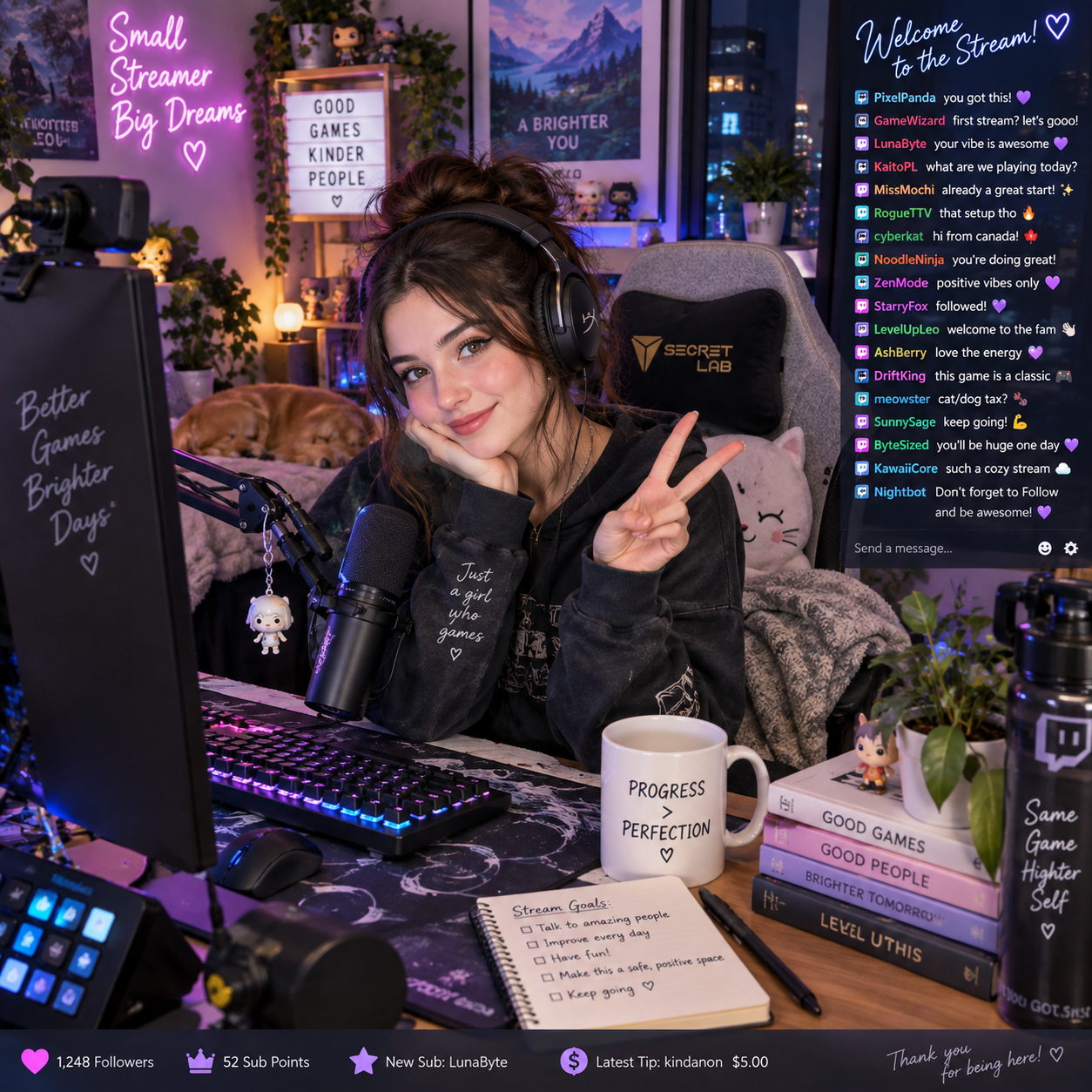
Twitch launched in 2011, and within three years it had fundamentally restructured how people consumed competitive gaming. Live streaming platforms turned pro gamers into broadcasters, and tournaments into appointment viewing — no cable subscription required.
The numbers tell the story clearly. When Amazon acquired Twitch in 2014 for $970 million, the platform was already streaming more traffic during peak hours than HBO Go. YouTube Gaming followed, and the combined effect was a massive, accessible audience that game publishers and advertisers could finally quantify.
What streaming did for esports is what radio did for boxing in the 1920s. Suddenly, the audience wasn't limited to people physically present. A League of Legends World Championship match could be watched simultaneously by fans in Seoul, São Paulo, and Stockholm. The geographic ceiling on viewership effectively disappeared.
Pro gamers became personalities. Streamers like Faker, Shroud, and Ninja built audiences in the tens of millions — not just as competitors but as entertainers. This dual identity (athlete and content creator) gave esports a cultural stickiness that traditional sports rarely achieve with younger demographics.
Money Moves In — Sponsorships, Prize Pools, and Franchising
Financial legitimacy arrived when corporate sponsors stopped treating esports as experimental marketing and started writing serious checks. The shift happened gradually, then all at once.
Prize pools were the early signal. The International, Valve's annual Dota 2 championship, introduced a crowdfunding model in 2013 that let fans contribute to the prize pool through in-game purchases. The result was staggering — by 2019, The International's prize pool exceeded $34 million, dwarfing many traditional sports tournaments. That figure wasn't just impressive; it was a public statement that competitive gaming had real economic weight.
Sponsors took notice. Brands like Intel, Red Bull, and HyperX had been early adopters, but the mid-2010s brought a new wave: Mercedes-Benz, Louis Vuitton, and MasterCard all signed major esports partnerships. Louis Vuitton designing a trophy case for the League of Legends World Championship wasn't a gimmick — it was a calculated move by a luxury brand to reach a young, global, high-engagement audience.
The franchise league model, pioneered by Riot Games with the League of Legends Championship Series in 2018, added another layer of financial structure. Teams paid buy-ins (reportedly $10 million per slot) for guaranteed spots in a permanent league. This mirrored the franchise model of the NFL or NBA, giving investors the stability they needed to commit serious capital. Activision Blizzard followed with the Overwatch League, selling city-based franchises to owners including major sports groups.
Esports Meets Traditional Sports — Crossover and Cultural Validation
The clearest sign that esports had crossed into mainstream culture was when traditional sports money arrived. NBA teams including the Cleveland Cavaliers and Golden State Warriors purchased esports franchise slots. NFL players, NBA stars, and celebrities like Drake and Michael Jordan became investors in esports organizations.
This wasn't purely financial speculation. It was cultural validation from institutions that mainstream society already recognized as legitimate. When a legacy sports franchise stakes money on esports, it signals to advertisers, broadcasters, and casual observers that this is a real industry — not a hobby with delusions of grandeur.
Media networks followed the money. ESPN began covering esports events in 2016. Turner Broadcasting launched a dedicated esports network. The BBC, Sky Sports, and major Asian broadcasters all developed esports programming. Each new media deal expanded the audience beyond existing gaming communities and introduced competitive gaming to viewers who had never touched a controller.
Game publishers like Riot Games and Valve became ecosystem architects rather than just software companies. Their decisions about prize structures, broadcast rights, and competitive formats shaped the entire industry. A publisher's choice to support or abandon a competitive scene could make or break an esports title — a dynamic that has no real parallel in traditional sports.
The Mainstream Era — Arenas, Broadcasts, and Global Audiences
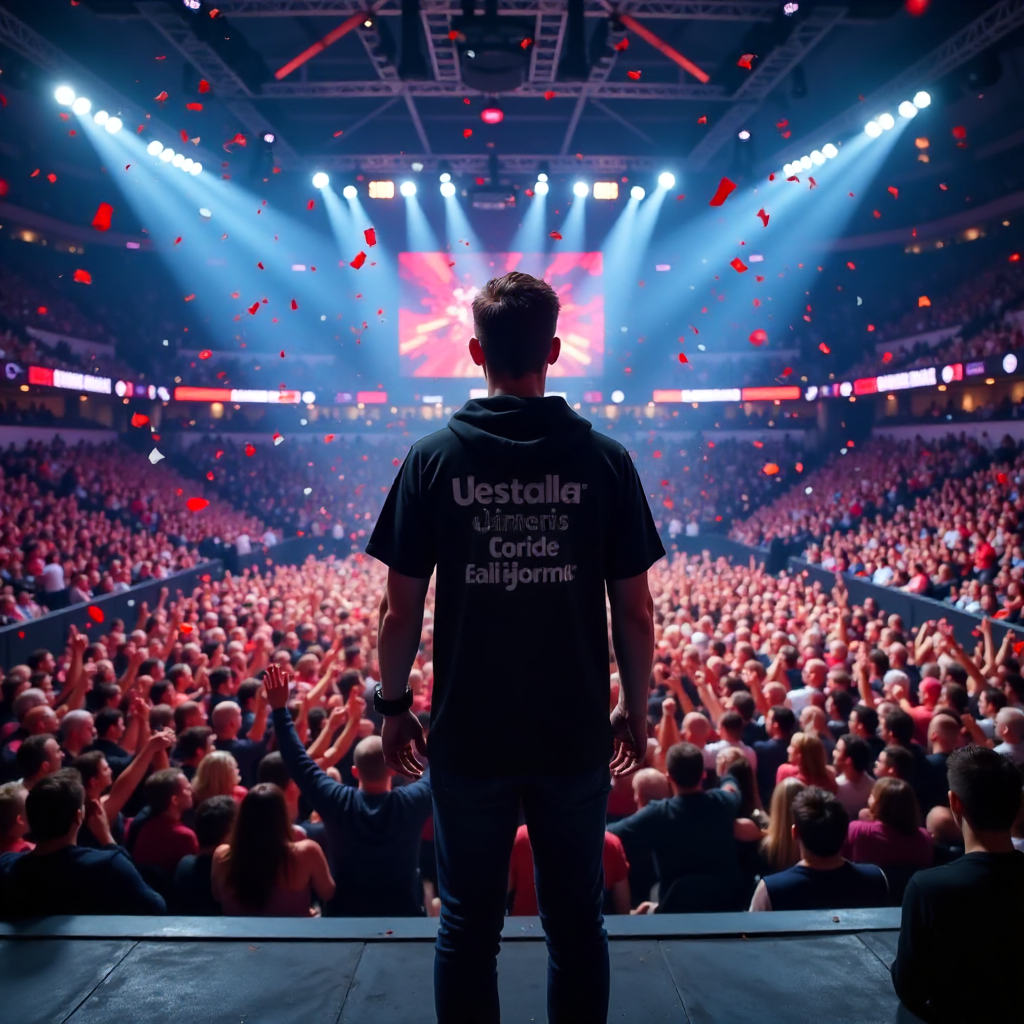
Esports today fills arenas, commands broadcast deals, and generates audiences that rival traditional sports events. This isn't projection — it's the current reality of competitive gaming as an entertainment product.
The League of Legends World Championship regularly draws peak concurrent viewership exceeding 70 million. The 2022 final in San Francisco sold out the Chase Center. Events like ESL One and the CS:GO Majors fill stadiums across Europe, North America, and Asia. These aren't niche gatherings — they're major live entertainment events with production values that match any music festival or sporting final.
The audience profile matters too. Esports viewers skew younger (18–34) and are disproportionately global compared to traditional sports audiences, which tend to be regionally concentrated. For brands trying to reach Gen Z and millennial consumers across multiple markets simultaneously, esports offers something few other platforms can match.
Professional players now have career paths, agents, and union-like player associations. Organizations like Team Liquid, Cloud9, and T1 operate as full media companies — running content studios, merchandise lines, and talent management alongside their competitive rosters. The infrastructure of professional sports has been rebuilt, from scratch, around competitive gaming.
What's Next — The Future Trajectory of Competitive Gaming
The next chapter of esports growth will be written on mobile devices, in emerging markets, and potentially inside virtual environments. Each of these vectors represents a meaningful expansion of the competitive gaming ecosystem.
Mobile esports is already massive in Southeast Asia, South Asia, and Latin America — regions where smartphone penetration outpaces PC ownership. Titles like Mobile Legends: Bang Bang and PUBG Mobile draw competitive audiences in the hundreds of millions. As mobile hardware improves and 5G connectivity spreads, the gap between mobile and PC/console competition will continue to narrow.
VR and AR competition remains early-stage, but the underlying technology is maturing. When immersive hardware reaches mass-market price points, new competitive formats will emerge that don't map onto existing esports structures at all. That's a genuine unknown — and a significant opportunity.
Untapped geographic markets also represent real growth. Africa and the Middle East have young, gaming-engaged populations and improving digital infrastructure. Regional esports leagues are already forming in both areas, following the same playbook that worked in Europe and North America a decade ago.
The trajectory of esports isn't guaranteed — no industry's is. Specific titles rise and fall, economic cycles affect sponsorship budgets, and platform shifts can reshape audience behavior quickly. But the underlying demand for competitive gaming as entertainment has proven remarkably durable across three decades and multiple technological transitions. That foundation is solid.
Frequently Asked Questions
When did esports officially become mainstream?
There's no single date, but most industry observers point to 2016–2018 as the turning point. That period saw ESPN begin covering esports, the NBA and NFL invest in competitive gaming franchises, and major non-endemic brands like Mercedes-Benz sign sponsorship deals. The franchise league model launched by Riot Games in 2018 added the financial structure that cemented esports as a serious industry.
How much money do professional esports players earn?
Earnings vary widely by game, region, and skill tier. Top players at elite organizations can earn base salaries between $50,000 and $500,000 annually, with prize money, streaming revenue, and sponsorships adding significantly more. The highest-earning players in titles like Dota 2 and CS:GO have career tournament earnings exceeding $5 million. Entry-level professional salaries in North American and European leagues typically start around $50,000–$75,000.
What are the most-watched esports tournaments in the world?
The League of Legends World Championship consistently ranks among the most-watched esports events globally, with peak viewership regularly exceeding 70 million concurrent viewers. The International (Dota 2), the CS:GO Majors, and the Fortnite World Cup have also drawn tens of millions of viewers. By comparison, these figures rival or exceed viewership for many traditional sports finals outside of the NFL and FIFA World Cup.
How do esports organizations make money?
Esports organizations generate revenue through several streams: sponsorship and brand partnerships (typically the largest), merchandise sales, media rights and content licensing, prize money, and increasingly, content creation and streaming revenue from their player rosters. Franchise league models also provide revenue sharing from centralized broadcast deals. The business model continues to mature as the industry standardizes around proven structures.
Is esports considered a real sport?
This depends on how you define "sport." Esports involves professional training, physical and mental conditioning, team strategy, and high-stakes competition — elements shared with traditional sports. Several countries, including South Korea and China, officially recognize esports athletes. The International Olympic Committee has explored esports inclusion, and esports appeared as a demonstration event at the 2022 Asian Games. Whether it meets any particular definition of sport matters less than what it demonstrably is: a professional competitive industry with global audiences, serious athletes, and significant economic activity.