The Rise of Indie Games: Hidden Gems You Might Have Missed
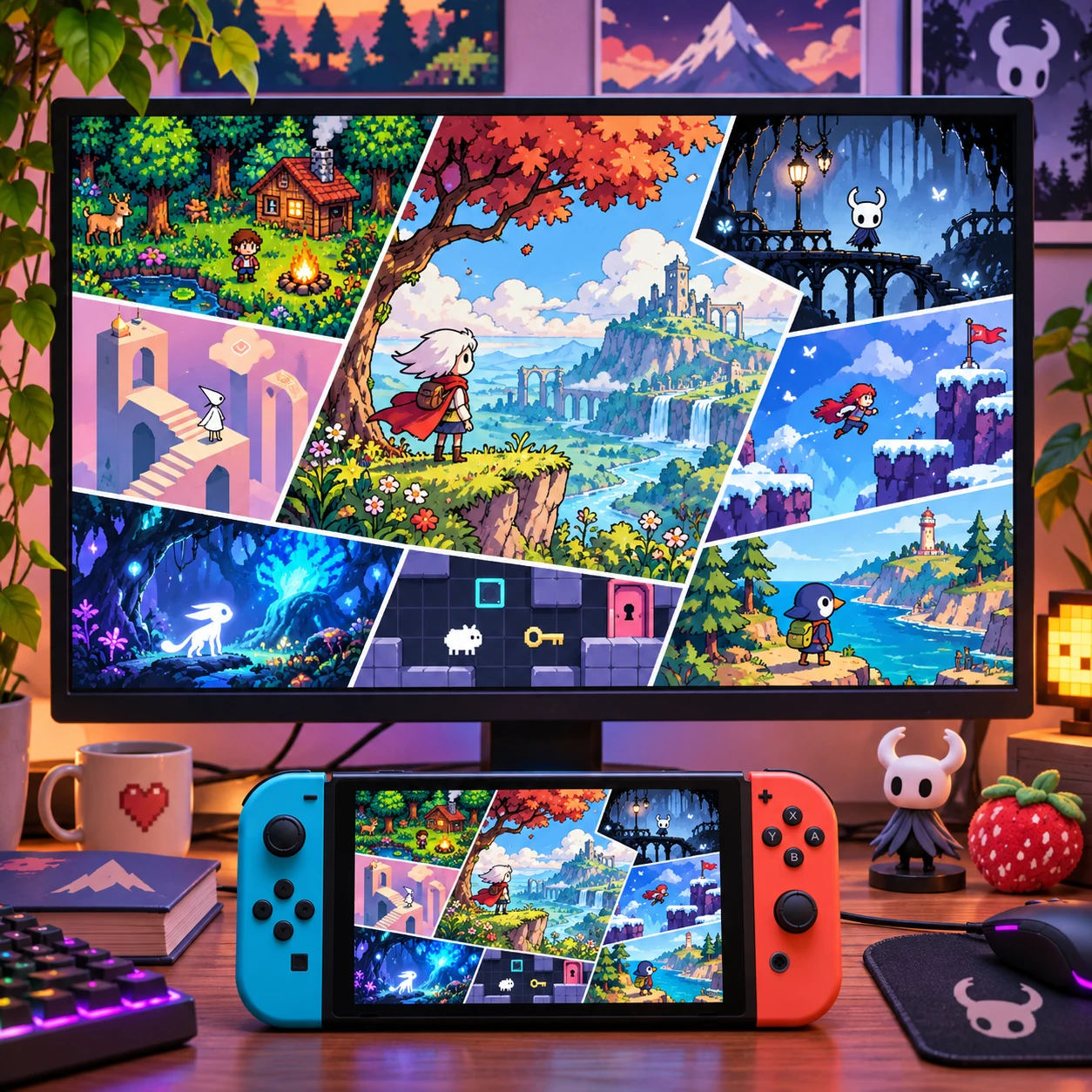
Some of the most memorable gaming experiences begin far from a blockbuster launch. Independent developers often work with smaller teams, tighter budgets, and fewer expectations to satisfy, which can leave room for unusual ideas and personal storytelling. The result is a broad field of indie games, including quiet discoveries that may never dominate storefront charts but can stay with players for years.
Finding those hidden gems takes more than sorting by price or sales. It helps to understand what indie games are, what makes a lesser-known release worth your time, and how to match a game’s mechanics and mood to your own tastes.
What’s Driving the Rise of Indie Games?
Indie games are growing in visibility because independent developers can explore ideas that may not fit a large publisher’s commercial plans. Smaller teams often have more creative control, although they also have fewer resources for production, marketing, and support.
“Indie” usually describes a game made outside the traditional publisher-led structure, but there is no single team size or business model that defines it. Some independent games are solo projects; others involve a sizable studio or partner with a publisher to fund production and distribution. What matters most is the degree of independence behind the creative and business decisions.
That flexibility can shape everything from game mechanics to narrative design. A developer might build an entire game around one puzzling rule, a carefully observed relationship, or a world that rewards curiosity rather than combat. Without a requirement to appeal to every type of player, a project can focus on a narrower audience and make its choices more deliberately.
Digital game storefronts have also made it possible for independent releases to reach PC and console players without relying solely on physical retail. Yet easier distribution does not guarantee visibility. Thousands of games compete for attention, and many worthwhile releases receive little coverage. That gap between availability and awareness is where hidden-gem hunting begins.
What Makes an Indie Game a Hidden Gem?
A hidden gem is a game with distinctive qualities that has not received the attention its likely audience would value. Low sales alone do not make a game special; originality, craft, and a satisfying experience matter more than obscurity.
One useful way to judge a potential gem is the three-part discovery test: look for a clear idea, evidence of thoughtful execution, and a reason the game may have escaped your notice. The idea might be a fresh premise or a familiar genre with an unexpected twist. Execution shows up in responsive controls, readable interfaces, considered pacing, and mechanics that work together. Limited visibility might come from a small marketing budget, a niche subject, or a launch that coincided with many better-known releases.
Before buying, check whether the game’s central appeal is also your kind of appeal. A slow, text-heavy adventure may be beautifully written and still feel like a chore if you want quick action. Likewise, a challenging puzzle game can be rewarding for players who enjoy experimentation but frustrating if its clues are too obscure for your taste.
Reviews and player discussions can help, especially when they explain what the game feels like to play rather than simply calling it “great.” Look for specific comments about difficulty, controls, length, accessibility options, and performance. A modestly sized audience can still offer useful insight, but remember that individual tastes differ.
Hidden Gems Across Different Genres
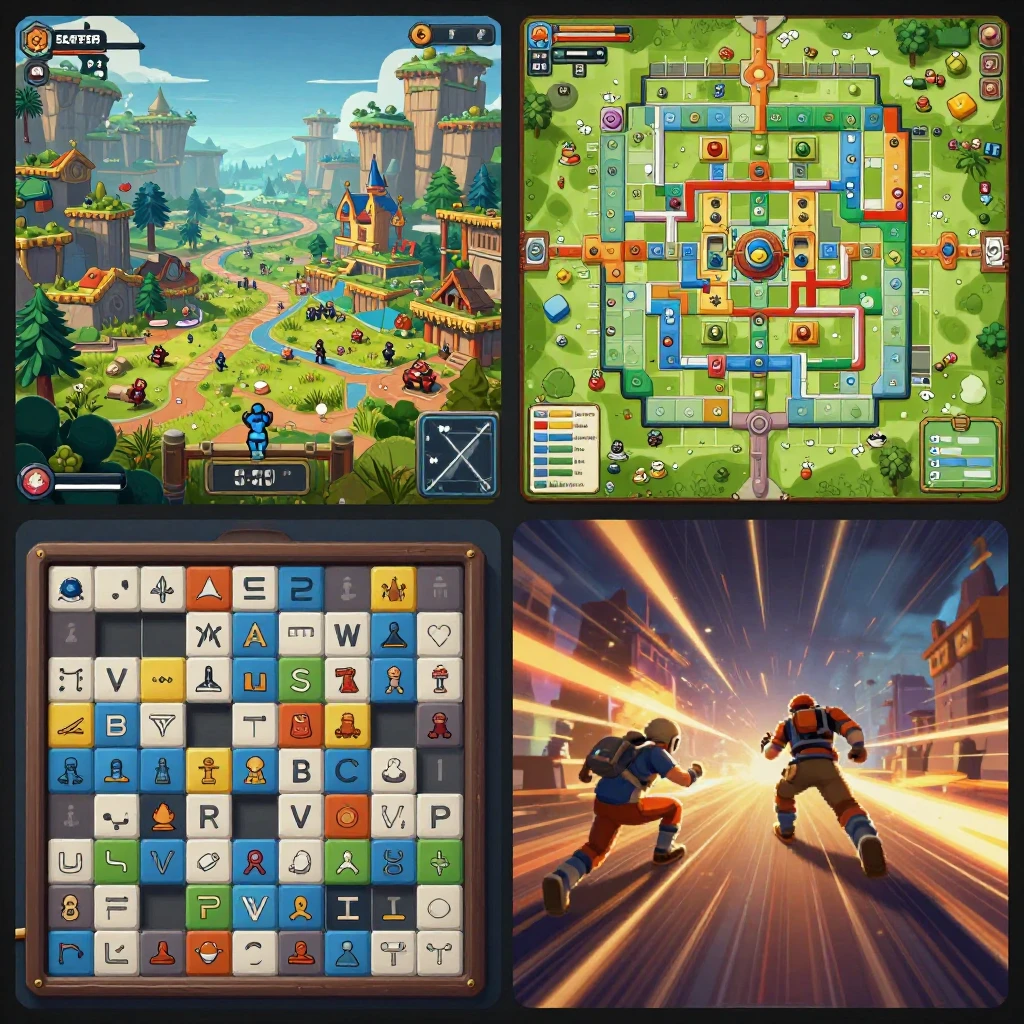
Indie hidden gems appear across adventure, strategy, puzzle, and action games, often by changing one familiar genre convention. Exploring by genre is a practical way to find a game that matches the kind of experience you already enjoy.
- Adventure: Independent narrative games can use exploration, dialogue, or environmental details to tell a story. Check whether the experience emphasizes branching choices, atmosphere, or discovery; these approaches create very different kinds of engagement.
- Strategy: Smaller strategy games may center on a compact set of decisions rather than a sprawling campaign. A clear turn structure and meaningful trade-offs can make a modest-looking game surprisingly absorbing.
- Puzzle: Puzzle games often build around a single rule that grows more interesting as you learn it. A good store description or short gameplay video can reveal whether the challenge relies on logic, spatial reasoning, timing, or trial and error.
- Action: Independent action games can stand out through precise movement, unusual combat systems, or short, replayable stages. Watch footage to judge pace and difficulty before committing.
Genre labels are only a starting point. Many indie games blend styles, such as exploration with light strategy or a narrative adventure with action sequences. When browsing, search by the experience you want: a short session, a demanding challenge, a story to follow, or a world to explore at your own pace.
How Indie Games Take Creative Risks
Indie games often take creative risks by building around unconventional mechanics, distinctive art direction, or narrative structures that larger productions may consider harder to market. These choices can make a game memorable, but they can also narrow its appeal.
A mechanic can change the way a player interprets a familiar task. Instead of simply defeating opponents, a game might ask you to manage limited information, reshape the environment, or reconsider what counts as progress. When the mechanic and the game’s larger themes support each other, play itself can communicate an idea without lengthy explanation.
Art style can work in a similar way. Pixel art, hand-drawn animation, stark geometric shapes, or deliberately restrained color palettes can make a world recognizable at a glance. Distinctive visuals do not automatically mean strong design, though. Clear feedback and readable environments still matter, particularly in action and puzzle games where players need to understand what is happening.
Narrative design offers another field for experimentation. Some games tell stories through brief scenes or dialogue; others let objects, spaces, and player choices carry the meaning. This can create a personal sense of discovery, but subtle storytelling may leave players wanting more direction. Consider whether you enjoy assembling a story from clues before choosing a game built around that approach.
How to Find Your Next Indie Favorite
To find an indie game you are likely to enjoy, start with a genre or mood, check storefront filters and gameplay footage, then compare player feedback and platform details. This simple process cuts through the volume of releases without relying on popularity alone.
- Set a discovery filter. Choose a genre, desired playtime, price range, or mood. “Short narrative game” is more useful than browsing every new release at once.
- Explore digital storefront categories. Search tags, curated lists, demos, and upcoming or recently released sections on the PC and console stores you use. Categories help narrow the field, though tags can be broad or inconsistent.
- Watch a few minutes of actual gameplay. Trailers can emphasize atmosphere and skip over the parts you will play most. Look for footage that shows movement, menus, combat, puzzles, or dialogue.
- Read reviews for fit, not consensus. Notice recurring details about difficulty, pacing, technical performance, and controls. A complaint about a feature you like may actually help you decide.
- Ask player communities. Forums, gaming groups, and genre-focused communities can surface lesser-known recommendations. Share what you already enjoy and what you want to avoid for more useful suggestions.
Wishlists and demos are practical tools when available. A demo lets you test controls and performance before paying, while a wishlist helps you track a game without buying it immediately. Community recommendations are valuable, but treat them as leads rather than guarantees: enthusiasm does not always translate into a good match for your preferences.
Choosing the Right Game for You
The right indie game fits your preferred genre, platform, play style, and content preferences. Confirm those details before buying, because an intriguing premise cannot compensate for incompatible controls or a tone you would rather avoid.
First, verify platform availability. A PC release may not be available on your console, and features or performance can vary between versions. Check the specific store listing for your device, including controller support, system requirements, language options, and accessibility features where listed.
Next, think about how you want to play. Do you have time for a long campaign, or would you rather play in short sessions? Are you seeking a demanding challenge, a relaxed exploration game, or a story with frequent choices? These practical questions often tell you more than a genre label alone.
Finally, check content notes and recent player feedback. Themes, violence, flashing effects, and other elements can affect whether a game feels right for you. If a title is new or made by a very small team, technical issues and limited post-launch support are possible; reviews can reveal problems, though they may not cover every system configuration.
Indie games reward curious browsing, not blind buying. Start with the kind of experience you want, then look for a smaller game whose mechanics, craft, and point of view make you want to stay a little longer.
Frequently Asked Questions
What is an indie game?
An indie game is a video game developed with a meaningful degree of independence from the conventional publisher-led model. Independent games can range from solo projects to larger studio productions, so the label does not always indicate a tiny team or a low budget.
Are indie games available on consoles as well as PC?
Yes. Many indie games release on PC and one or more consoles, though platform availability varies by title. Check the relevant digital storefront for your system before purchasing.
How can I find indie games that match my interests?
Filter storefronts by genre or tags, watch gameplay, read reviews for details about play style, and ask player communities for recommendations. Demos and wishlists can help you explore without rushing a purchase.
Are indie games always made by small teams?
No. Some are made by one person or a small team, while others involve larger independent studios and external partners. “Indie” generally describes independence in development or publishing, not a fixed team size.